

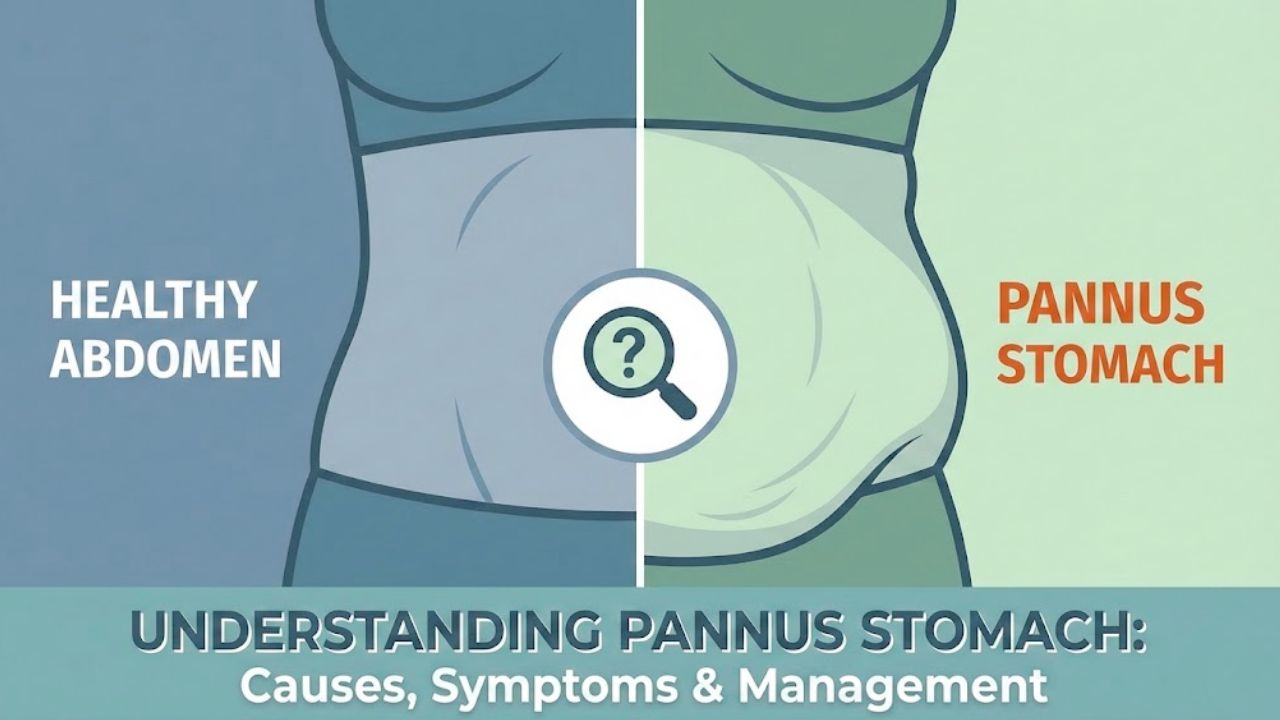
A pannus stomach—often called an apron belly—happens when excess skin and fat hang down from your lower abdomen, sometimes resembling an apron draped over your body. This condition affects thousands of people following significant weight changes, pregnancy, or obesity, and while it’s not always a medical emergency, it can seriously impact your quality of life, cause skin problems, and make everyday activities challenging.
You’re probably here because you’ve noticed this hanging tissue and want real answers. Maybe it’s causing rashes, making it hard to find clothes that fit, or affecting how you feel about yourself. Here’s the thing—pannus stomach isn’t just about appearance. It carries legitimate health concerns, but there are actual solutions ranging from lifestyle adjustments to surgical intervention.
What Exactly Is a Pannus Stomach?
Pannus stomach occurs when an overhang of skin and fatty tissue develops in the abdominal area and hangs down below the natural waistline. The medical term “pannus” refers specifically to this excess tissue formation that can extend from just above the pubic area down to the upper thighs in severe cases.
The condition develops gradually, typically after the skin has been stretched significantly and loses its ability to snap back into place. Unlike regular belly fat that you can suck in or hide with shapewear, a pannus is stubborn tissue that doesn’t respond to typical measures.
Doctors classify pannus stomach into different grades based on how far the tissue hangs:
-
Grade 1: The pannus covers only the pubic area (mons pubis) and causes minimal interference with daily activities
-
Grade 2: The overhang extends to the upper thighs, causing more discomfort during walking and standing
-
Grade 3: The tissue reaches the knees or beyond, significantly limiting mobility and increasing health risks
Primary Causes Behind Pannus Stomach Development
Pregnancy and Postpartum Changes
After pregnancy, your abdominal skin stretches dramatically to accommodate a growing baby. When delivery happens, that extra skin doesn’t always return to its pre-pregnancy state, especially if you’ve had multiple pregnancies or carried twins. The stretched skin combined with weakened abdominal muscles creates the perfect storm for pannus formation—which is why some people call it “mother’s apron”.
Significant Weight Loss
Rapid or substantial weight loss—particularly after bariatric surgery where people lose 100 pounds or more—frequently leaves behind excess skin. When fat cells shrink quickly, the skin doesn’t have time to contract proportionally, resulting in loose, hanging tissue. People who’ve achieved incredible weight loss victories often find themselves dealing with this frustrating aftermath.
Obesity and Weight Gain
Sustained obesity causes fat deposits to accumulate in the lower abdomen, stretching the skin over time. When combined with gravitational pull, these deposits can form a pronounced pannus. The condition becomes more likely as BMI increases and the duration of obesity extends.
Aging and Natural Skin Changes
As we age, skin loses collagen and elasticity, making it less capable of bouncing back after stretching. This natural aging process, combined with any weight fluctuations throughout life, increases vulnerability to developing a pannus stomach.
Health Complications You Shouldn’t Ignore
Living with a pannus stomach isn’t just uncomfortable—it creates genuine medical concerns that deserve attention.
Skin and Infection Issues
The fold of skin creates a warm, moist environment perfect for bacterial and fungal growth. Chronic skin conditions develop frequently, including:
-
Intertrigo: A painful rash in the skin folds caused by friction and moisture
-
Cellulitis: Bacterial skin infections that can spread and require antibiotics
-
Recurring fungal infections: Persistent yeast infections that don’t respond easily to over-the-counter treatments
-
Skin ulceration: Open sores that develop from constant irritation and pressure
Physical Mobility Challenges
The weight and bulk of a pannus physically interferes with movement. People report difficulty walking, bending, exercising, and performing routine tasks. One study found that patients with abdominal pannus experienced higher complication rates after certain surgeries due to the additional tissue.
Musculoskeletal Strain
Carrying extra weight in front of your body throws off your center of gravity. This creates chronic strain on your back, hips, and leg muscles, leading to persistent pain and postural problems. Many people develop compensatory movement patterns that cause additional joint stress.
Hygiene and Odor Difficulties
Cleaning beneath the pannus becomes genuinely challenging, leading to hygiene issues and unpleasant odors that affect self-esteem and social interactions. This isn’t about laziness—it’s a legitimate physical barrier to basic self-care.
Emotional and Psychological Impact
The visible nature of a pannus stomach affects mental health. People report feeling embarrassed, anxious in social situations, and struggling with body image issues that impact relationships and quality of life.
Non-Surgical Ways to Manage and Reduce Pannus Stomach
While severe cases typically require surgery, mild to moderate pannus conditions may improve with consistent lifestyle changes.
Nutrition Strategies That Actually Work
A calorie deficit remains essential for fat reduction. Focus on whole, nutrient-dense foods including lean proteins (chicken, fish, tofu), whole grains (brown rice, quinoa, oats), colorful vegetables, and healthy fats. Drastically reduce sugar and ultra-processed foods that promote fat accumulation, particularly in the abdominal region.
Some practitioners suggest intermittent fasting may help with loose skin through a process called autophagy, though research is still evolving. The idea is that during fasting periods, your body may break down and recycle damaged proteins, potentially including some excess skin tissue.
Exercise Approaches for Core Strengthening
You can’t spot-reduce fat, but strengthening your core muscles helps tighten the area and improve overall body composition. Effective exercises include:
-
Planks: Build deep core stability by holding a forearm plank position for 30-60 seconds, keeping your body parallel to the ground
-
Cardiovascular exercise: Walking, swimming, or cycling burns calories and promotes overall fat loss
-
Resistance training: Building muscle increases metabolism and helps fill out loose skin with lean tissue
Honestly, exercise alone won’t eliminate an established pannus, but it’s crucial for preventing worsening and supporting overall health.
Supportive Garments and Skin Care
Compression garments and support bands can provide temporary relief by holding the pannus in place, reducing chafing and improving comfort during activities. Anti-chafing creams and powders help manage moisture and friction in the skin folds.
Meticulous hygiene is non-negotiable—gently clean and thoroughly dry the area beneath the pannus daily to prevent infections.
Surgical Treatment Options: Panniculectomy vs. Abdominoplasty
When lifestyle modifications aren’t sufficient, surgery becomes the most effective solution.
Panniculectomy: The Functional Approach
A panniculectomy specifically removes the hanging pannus of excess skin and fat. The surgeon makes a horizontal incision in the lower abdomen, typically above the pubic area, excises the excess tissue, and closes the incision with sutures. Drainage tubes are temporarily placed to prevent fluid accumulation.
This procedure focuses on functional improvement rather than cosmetic enhancement. The goal is removing tissue that interferes with daily activities and causes medical problems.
Insurance Coverage Considerations
Panniculectomy may be covered by health insurance when it meets medical necessity criteria. Most insurers require documentation showing:
-
The pannus hangs at or below the symphysis pubis (pubic bone)
-
Persistent skin conditions despite conservative treatment with antifungals, steroids, or antibiotics
-
Documented interference with activities of daily living
-
Weight stability for at least six months
-
Preoperative photographs demonstrating the severity
Without meeting these criteria, the procedure is typically considered cosmetic and not covered.
Abdominoplasty (Tummy Tuck): The Cosmetic Option
A tummy tuck removes excess skin but also tightens abdominal muscles and repositions the belly button for aesthetic improvement. This procedure is more comprehensive than a panniculectomy but is almost never covered by insurance.
Some patients combine a panniculectomy with a tummy tuck—insurance may cover the panniculectomy portion while the patient pays out-of-pocket for the cosmetic enhancements.
Cost Expectations for 2025
According to recent data, the national average cost for a panniculectomy is approximately $7,000, with prices ranging from $5,393 to $13,618 depending on location and complexity. State variations exist—Hawaii averages $11,079 while South Carolina averages $6,059.
A tummy tuck typically costs around $6,200 out-of-pocket, plus additional medical fees. Remember, if insurance doesn’t cover your panniculectomy, you’ll pay the full amount yourself.
Recovery Timeline and Expectations
Panniculectomy recovery typically spans several weeks to months. Initial healing takes about 2-3 weeks, during which you’ll experience swelling, bruising, and discomfort managed with prescribed pain medication. You’ll need to avoid heavy lifting and strenuous activity for 6-8 weeks.
Tummy tucks have slightly shorter recovery periods—about 4-6 weeks before returning to normal activities. The less extensive nature of the procedure means less trauma to heal from.
Both procedures involve general anesthesia and require taking time off work. Smaller panniculectomies may occasionally use local anesthesia with sedation.
Combined Procedures
Some patients benefit from combining panniculectomy with liposuction to address stubborn fat deposits in adjacent areas like the flanks or upper abdomen. Combined procedures require careful planning, extend surgery time, and may increase recovery requirements, but they can be more cost-effective than separate operations.
Prevention Strategies Before a Pannus Develops
Prevention is always easier than correction. If you’re currently pregnant, losing weight, or at risk for developing a pannus stomach, these strategies can help:
-
Gradual weight loss: Lose weight slowly (1-2 pounds per week) to give your skin time to contract
-
Strength training during weight loss: Building muscle helps fill space as fat decreases
-
Stay hydrated: Proper hydration supports skin elasticity
-
Moisturize consistently: Keep abdominal skin supple with quality moisturizers
-
Maintain stable weight: Avoid yo-yo dieting that repeatedly stretches and contracts skin
-
Postpartum core work: Engage in appropriate postpartum exercises to strengthen abdominal muscles after pregnancy (with medical clearance)
Can Pannus Stomach Go Away Without Surgery?
Here’s the honest answer: it depends on the severity.
Mild cases—where the pannus barely extends past the pubic area—may improve significantly with dedicated weight loss and core strengthening. Younger individuals have better skin elasticity and higher chances of natural improvement. One Reddit user noted that age matters tremendously—losing weight while young gives skin a better opportunity to tighten up.
However, moderate to severe cases with significant skin overhang rarely resolve without surgical intervention. Once skin has been stretched beyond its elastic limit, no amount of exercise or diet will make it retract fully. The excess skin is simply there, and your body can’t reabsorb it.
Setting realistic expectations is crucial. If your pannus hangs to your thighs, hoping it’ll disappear naturally will likely lead to disappointment and wasted time. Consult with a plastic surgeon to understand what’s realistically achievable for your specific situation.
Living with Pannus Stomach: Practical Daily Tips
If you’re not ready for surgery or don’t qualify for insurance coverage, these practical strategies improve daily comfort:
-
Use absorbent powders or barrier creams to manage moisture and prevent chafing
-
Wear supportive compression garments designed for abdominal support
-
Clean and dry beneath the pannus thoroughly after showering
-
Watch for signs of infection (redness, warmth, unusual odor, pain) and seek medical attention promptly
-
Choose clothing with strategic draping or structured fabrics that provide support
-
Consider specialized adaptive clothing designed for people with abdominal pannus
-
Address emotional health through counseling or support groups
When to See a Doctor About Your Pannus Stomach
Schedule a medical consultation if you experience:
-
Recurring skin infections or rashes that don’t respond to treatment
-
Open sores or ulcers beneath the pannus
-
Significant mobility limitations affecting daily activities
-
Chronic back or joint pain related to the weight
-
Desire to explore surgical options and determine if you qualify for coverage
A plastic surgeon can assess your grade of pannus, discuss realistic treatment options, and help you understand whether you meet medical necessity criteria for insurance coverage.
The reality is that pannus stomach represents a genuine medical and quality-of-life concern, not just a cosmetic issue. Whether you’re dealing with discomfort from skin infections, struggling with mobility limitations, or simply trying to understand your options, knowing the facts empowers you to make informed decisions. For mild cases, consistent lifestyle changes might bring improvement. For more severe situations, panniculectomy offers a proven solution that many insurance plans cover when medical necessity criteria are met. Talk with your healthcare provider about your specific situation—because you deserve to live comfortably in your body, whether that involves surgical intervention, lifestyle modifications, or a combination of approaches that works for your unique circumstances.
Frequently Asked Questions
Q: What’s the difference between a pannus stomach and regular belly fat?
A: Regular belly fat is subcutaneous fat that sits beneath your skin and can often be “sucked in” temporarily. A pannus stomach involves excess skin combined with fat that hangs down from the abdomen like an apron and cannot be pulled in or hidden easily. The pannus typically develops after significant skin stretching from pregnancy or obesity.
Q: Will insurance cover panniculectomy surgery?
A: Insurance may cover panniculectomy when it’s medically necessary—meaning the pannus hangs below the pubic bone, causes persistent infections despite treatment, interferes with daily activities, and you’ve maintained stable weight for six months. You’ll need documentation, preoperative photos, and evidence of failed conservative treatments. Purely cosmetic procedures are not covered.
Q: How long does it take to recover from pannus removal surgery?
A: Initial recovery from panniculectomy takes 2-3 weeks, during which you’ll have swelling and discomfort. You’ll need to avoid strenuous activity and heavy lifting for 6-8 weeks. Full healing and final results may take several months as swelling completely resolves. Tummy tucks have slightly shorter recovery periods of 4-6 weeks.
Q: Can exercise alone get rid of a pannus stomach?
A: Exercise can help with mild cases by reducing overall body fat and strengthening core muscles, but it cannot eliminate established excess skin. Once skin has been stretched beyond its elastic capacity, your body cannot naturally reabsorb or tighten it through exercise alone. Younger individuals with better skin elasticity have slightly better chances of improvement with weight loss and exercise.
Q: What causes the rashes and infections under a pannus stomach?
A: The hanging skin creates a warm, moist environment where skin surfaces rub against each other. This friction combined with trapped moisture and limited air circulation promotes bacterial and fungal growth, leading to conditions like intertrigo (inflammatory rash), cellulitis (bacterial infection), and recurrent yeast infections. Poor hygiene access due to the physical barrier makes these problems worse.
Q: At what point is a pannus stomach considered severe enough for surgery?
A: Medical guidelines typically consider panniculectomy when the pannus hangs at or below the level of the symphysis pubis (pubic bone), causes documented medical problems like persistent infections or skin ulceration, and significantly interferes with activities of daily living. This generally corresponds to Grade 2 or Grade 3 pannus classification. Your plastic surgeon will assess your specific situation to determine surgical candidacy.
Q: Does weight loss make a pannus stomach worse?
A: Losing weight reduces the fat content within the pannus, which is beneficial for overall health. However, rapid or significant weight loss can leave you with more loose, hanging skin because the skin doesn’t have time to contract. Gradual weight loss at 1-2 pounds per week gives skin a better chance to adjust, though genetics and age play major roles in outcomes.