

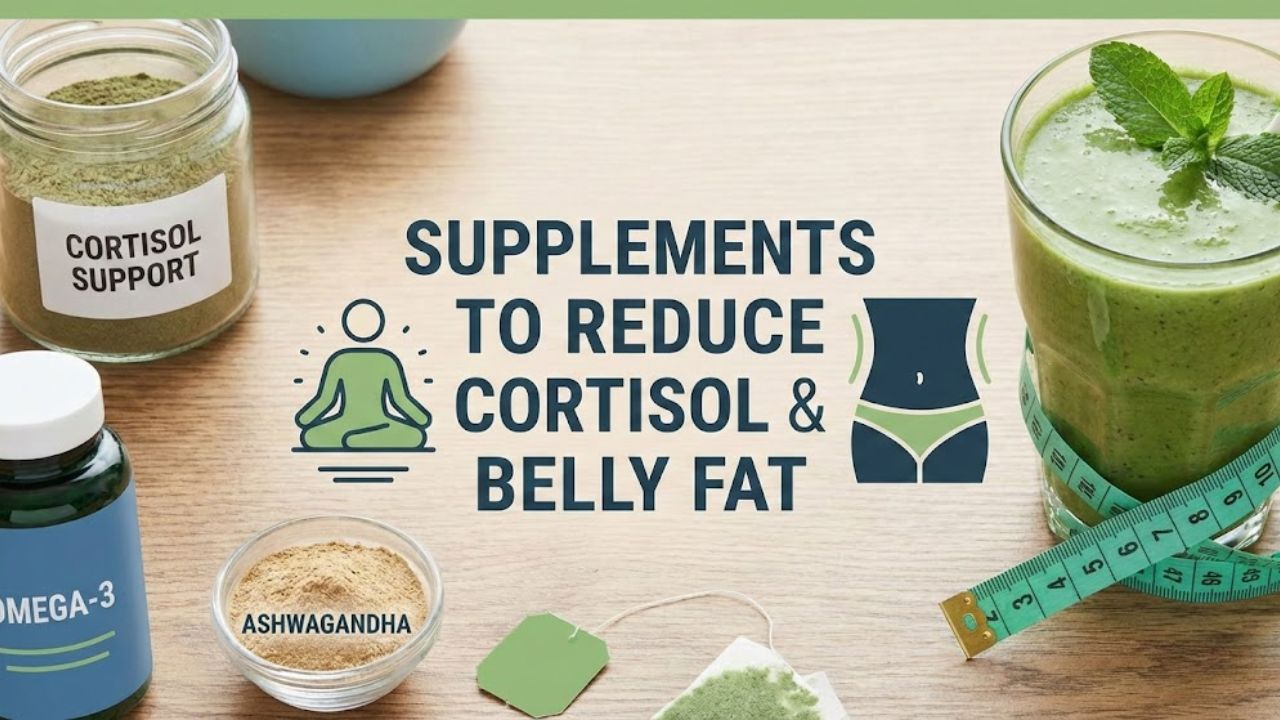
If you’re eating right and exercising regularly but can’t shake that stubborn fat around your midsection, your stress hormone might be working against you. Elevated cortisol levels don’t just make you feel frazzled—they actively tell your body to store fat in your belly, making weight loss feel impossible no matter what you try.
Here’s the good news: specific supplements can help regulate cortisol levels and create a hormonal environment where your body actually wants to burn fat instead of hoarding it. But before you start tossing random bottles into your cart, you need to know which ones actually work, how much to take, and how they fit into a bigger picture of stress management.
Understanding the Cortisol-Belly Fat Connection
Cortisol isn’t inherently bad—it’s actually essential for survival. This hormone helps you wake up in the morning, regulates blood pressure, and gives you that burst of energy when you need to handle a crisis. The problem happens when cortisol stays elevated day after day because of chronic stress, poor sleep, or constant worry.
When cortisol remains high for extended periods, it triggers a cascade of metabolic changes that specifically target your midsection. Research shows that elevated cortisol levels increase visceral adipose tissue—the dangerous fat that wraps around your internal organs. This isn’t just about aesthetics; visceral fat significantly increases your risk for type 2 diabetes, cardiovascular disease, and even certain cancers.
A 2025 study found that hair cortisol concentration (which measures long-term cortisol exposure) correlates positively with BMI and waist-hip ratio, with a 9.8% increase in cortisol linked to a 2.5 kg/m² higher BMI. The mechanism is straightforward but frustrating: cortisol reprogram’s your body’s fat distribution system, favoring belly fat deposits. It also stimulates insulin release, which raises blood sugar and triggers intense cravings for high-calorie, high-carbohydrate foods.
Top Evidence-Based Supplements for Cortisol Reduction
Ashwagandha: The Cortisol-Crushing Adaptogen
If there’s one supplement synonymous with cortisol control, it’s ashwagandha. This ancient Ayurvedic herb has earned its reputation through rigorous modern research, not just traditional wisdom.
Clinical trials consistently demonstrate ashwagandha’s power to lower cortisol levels. A 2019 study published in Medicine found that participants taking ashwagandha experienced a statistically significant 23% reduction in morning cortisol levels compared to placebo. In men specifically, the reduction was 22% over the study period. Another 2025 trial using the ASVAMAN® brand showed participants taking 300 mg twice daily for 42 days experienced significant cortisol reductions alongside improved endurance and quality of life scores.
Research suggests taking 125 to 600 mg of ashwagandha daily for at least 30 days can lower cortisol in healthy adults by up to 33%. The herb works by calming your brain’s stress response system and lowering blood pressure.
Important safety note: Ashwagandha can interact with thyroid medications, potentially causing thyrotoxicosis. It may also interact with antidiabetes medications, antihypertensives, immunosuppressants, and sedatives. Always consult your healthcare provider before starting supplementation, especially if you’re on any medications.
Phosphatidylserine: The Direct Cortisol Blocker
Phosphatidylserine (PS) stands out because it directly targets cortisol production rather than just supporting general stress resilience. This naturally occurring compound tells your body to literally turn down the cortisol faucet when it’s running too high.
The research is compelling. One clinical trial found that healthy men taking 800 mg of phosphatidylserine daily for 10 days had significantly blunted cortisol responses to exercise compared to placebo. Another study showed mathematical calculations revealing that phosphatidylserine supplementation led to 35% less cortisol overall, with peak cortisol levels 39% lower than placebo.
This matters for belly fat because if you’re producing too much cortisol—maybe from a high-stress job or intense workouts—PS removes that persistent signal telling your body to store fat around your middle. By improving your stress hormone profile, it creates a more favorable environment for fat loss through better sleep, improved muscle recovery, and fewer stress-driven cravings.
Dosage: Research supports 400-800 mg daily, though you should start at the lower end and work up.
Safety considerations: High dosages may potentially cause insomnia, stomach pains, and nausea. Modern supplements use plant-derived sources rather than animal brains, eliminating disease transmission risks.
Magnesium: The Stress-Relieving Mineral
Magnesium is the go-to recommendation from many integrative physicians for supporting healthy cortisol levels. This essential mineral plays a crucial role in your body’s stress response system and helps regulate elevated cortisol even in people who aren’t technically magnesium deficient.
Clinical research shows that daily magnesium supplementation lowers cortisol excretion and improves enzyme activity related to cortisol metabolism. Studies demonstrate that supplementing with 250 to 400 mg of magnesium daily reduces both stress and cortisol levels.
You can find magnesium in foods like beans, legumes, nuts, seeds, dairy products, fortified cereals, and leafy greens like spinach. However, many people don’t get enough through diet alone, making supplementation a practical option.
Caution: People with kidney problems, bradycardia, bowel obstructions, or myasthenia gravis should avoid magnesium supplements. It can also interact with medications for heartburn, blood pressure, and psychiatric conditions.
Omega-3 Fatty Acids: Fighting Inflammation and Cortisol
Omega-3 fatty acids do more than protect your heart—they actively help manage your body’s response to stress and burnout. Research consistently links low omega-3 levels to higher inflammation and cortisol levels.
One study found that taking 2.5 grams of omega-3 fatty acid supplements daily for four months resulted in a 19% decrease in cortisol levels. These essential fats help calm the overactive stress response that contributes to belly fat accumulation.
You’ll find omega-3s naturally in seafood and fish, plant oils (like canola and flaxseed), walnuts, chia seeds, and sea vegetables. For supplementation, fish oil is the most common and well-researched option.
Typical dosage: 2-2.5 grams daily based on research.
Vitamin C: The Cortisol-Lowering Antioxidant
Most people know vitamin C for immune support, but it’s also a powerful cortisol regulator. In a study of 69 women with elevated cortisol due to chronic stress, participants taking 1,000 mg of vitamin C (ascorbic acid) daily for two months successfully reduced their cortisol levels closer to a normal range.
Another study found that participants supplementing with 1,000 mg of vitamin C daily over two months experienced a 35% decrease in cortisol levels, compared to just a 10% reduction in those who didn’t take vitamin C.
You can boost vitamin C intake through fruits and vegetables like citrus fruits, bell peppers, broccoli, Brussels sprouts, guava, papaya, strawberries, and tomatoes. However, therapeutic doses for cortisol reduction typically require supplementation.
Research-supported dosage: 1,000 mg daily.
L-Theanine: The Calm-Inducing Amino Acid
L-theanine, an amino acid found naturally in green and black tea, is known as a gentle, natural cortisol calmer. It offers anti-inflammatory and anti-anxiety effects that relieve stress and positively impact cortisol levels.
A 2021 clinical trial examining a specific brand-name L-theanine supplement found that it caused a significant decrease in cortisol levels about one hour after dosing. Another study using AlphaWave® L-Theanine showed significantly greater decreases in salivary cortisol at 1 hour post-dose compared to placebo.
Initial research shows that taking 200 mg of L-theanine daily for four weeks reduced stress-related symptoms. You’ll get some L-theanine from drinking green tea, which also provides additional cortisol-lowering compounds.
Typical dosage: 200 mg daily.
Rhodiola Rosea: The Burnout Buster
Rhodiola rosea is an adaptogenic herb thought to support the immune system and help manage inflammation. One research review suggested that this supplement reduced cortisol levels while boosting energy in people experiencing burnout.
While more research is needed on rhodiola’s specific mechanisms, available evidence suggests it may be particularly helpful for people dealing with chronic stress and fatigue. The herb appears to help modulate the stress response system rather than simply suppressing it.
Research-supported dosage: 200 to 600 mg daily.
Lifestyle Strategies That Amplify Supplement Benefits
Honestly, here’s the thing: supplements work best when they’re part of a comprehensive approach, not a magic bullet. Dr. Tokunbo Akande, a board-certified integrative physician, emphasizes that supplements are “not a substitute for addressing lifestyle stressors”.
Exercise Mindfully
Physical activity is one of the best ways to reduce cortisol levels, but you need to be strategic about it. High-intensity workouts can temporarily spike cortisol, so balance intense training with calming activities like yoga, tai chi, or light aerobic exercise. A simple 30-minute walk each day can significantly reduce stress hormones and support fat loss.
Prioritize Sleep Quality
Poor sleep creates a vicious cycle with cortisol. When you don’t sleep well, cortisol stays elevated. When cortisol stays elevated, you can’t sleep well. Break this cycle by establishing consistent sleep-wake times and creating a wind-down routine that includes supplements like magnesium or L-theanine taken 30-60 minutes before bed.
Optimize Your Diet
Certain foods naturally help lower cortisol levels. Focus on incorporating omega-3-rich fish like salmon, leafy greens, whole grains, and lean proteins. Limit sugary foods and refined carbohydrates, which cause blood sugar spikes that further elevate cortisol. Staying hydrated and avoiding excessive caffeine also helps regulate your stress response.
Include dietary fibers from vegetables, fruits, beans, nuts, lentils, seeds, and whole grains. Don’t forget aged, fermented, and cultured foods like plain yogurt, kefir, kombucha, miso, tempeh, and apple-cider vinegar, which support gut health and may influence stress hormone regulation.
Practice Stress Management
You know this already, but it bears repeating: managing the source of your stress is non-negotiable. Mindfulness practices, meditation, deep breathing exercises, and even simple activities like spending time in nature can help reset your stress response system. When combined with the right supplements, these practices create a powerful synergy for cortisol reduction.
How to Choose Quality Supplements
Not all supplements are created equal. When shopping for cortisol-lowering supplements, look for:
-
Third-party testing: Choose brands that use independent labs to verify purity and potency
-
Standardized extracts: For herbs like ashwagandha, look for products standardized to specific active compounds (like withanolides)
-
Clean ingredients: Avoid unnecessary fillers, artificial colors, or excessive additives
-
Reputable manufacturers: Stick with established brands that follow Good Manufacturing Practices (GMP)
Start with one supplement at a time so you can assess how your body responds. Don’t expect overnight miracles—most cortisol-lowering supplements require 4-8 weeks of consistent use to show measurable effects.
When to See a Healthcare Provider
While supplements can be incredibly helpful for managing stress and stubborn belly fat, some situations require professional medical evaluation. Consult your healthcare provider if you experience:
-
Unexplained rapid weight gain, especially around your midsection
-
Purple stretch marks on your abdomen
-
Easy bruising or thin skin
-
Muscle weakness
-
High blood pressure that’s difficult to control
-
Irregular menstrual periods or decreased libido
These could indicate Cushing’s syndrome or other serious conditions requiring medical treatment, not just supplements.
The Bottom Line on Cortisol and Belly Fat
Reducing cortisol-driven belly fat isn’t about finding a single magic supplement—it’s about creating a comprehensive strategy that addresses both your biochemistry and your lifestyle. Research clearly shows that supplements like ashwagandha, phosphatidylserine, magnesium, omega-3s, vitamin C, L-theanine, and rhodiola can significantly lower cortisol levels when used appropriately.
But these supplements work best when paired with healthy habits like mindful exercise, quality sleep, balanced nutrition, and effective stress management. Think of supplements as powerful tools in your toolbox, not replacements for the foundation of a low-stress lifestyle.
If you’ve been struggling with stubborn belly fat despite doing “everything right,” investigating your cortisol levels might be the missing piece of your weight loss puzzle. Start by addressing your biggest stressors, optimize your sleep and diet, then strategically add evidence-backed supplements to support your body’s natural balance. Your waistline—and your overall health—will thank you for taking this comprehensive approach.
FAQ: Supplements to Reduce Cortisol and Belly Fat
Q: Can supplements alone eliminate cortisol belly fat?
A: No, supplements cannot eliminate cortisol belly fat on their own. While evidence-backed supplements like ashwagandha, magnesium, and phosphatidylserine can significantly reduce cortisol levels, they work best when combined with lifestyle changes including stress management, quality sleep, regular exercise, and a balanced diet. Supplements should be viewed as powerful supportive tools, not standalone solutions.
Q: How long does it take for cortisol-lowering supplements to work?
A: Most cortisol-lowering supplements require consistent use for 4-8 weeks before measurable effects become apparent. Research on ashwagandha shows significant results after 30-42 days of supplementation, while studies on phosphatidylserine demonstrated effects within 10 days. Individual responses vary based on baseline cortisol levels, stress factors, and overall lifestyle habits.
Q: What is the best supplement for reducing cortisol and belly fat?
A: Ashwagandha is the most extensively researched supplement for cortisol reduction, with clinical trials showing up to 33% decreases in cortisol levels. However, phosphatidylserine may be more effective for people who overproduce cortisol in response to exercise or acute stress, with studies showing 35-39% reductions in cortisol. The “best” supplement depends on your individual stress patterns and should ideally be determined with healthcare guidance.
Q: Are there any side effects or interactions with cortisol-lowering supplements?
A: Yes, cortisol-lowering supplements can have side effects and interactions. Ashwagandha can interact with thyroid medications, antidiabetes drugs, blood pressure medications, immunosuppressants, and sedatives. Magnesium can interact with medications for heartburn and blood pressure, and should be avoided by people with kidney problems or certain heart conditions. Phosphatidylserine at high doses may cause insomnia, stomach pain, or nausea. Always consult a healthcare provider before starting supplementation.
Q: Can I take multiple cortisol-lowering supplements together?
A: While some people combine multiple cortisol-lowering supplements, it’s best to start with one supplement at a time to assess your body’s response and identify any side effects. Some combinations may be synergistic (like magnesium with L-theanine for sleep), while others might increase the risk of interactions or excessive cortisol suppression. Consult with a healthcare provider or integrative medicine practitioner before combining supplements, especially if you take prescription medications.
Q: Is cortisol belly fat different from regular belly fat?
A: Yes, cortisol-related belly fat specifically refers to visceral adipose tissue—fat that accumulates around your internal organs in the abdominal cavity. This type of fat is more metabolically active and dangerous than subcutaneous fat (fat under the skin). Research shows that elevated cortisol levels reprogram fat distribution to favor visceral fat deposits. Visceral fat significantly increases risks for type 2 diabetes, cardiovascular disease, and metabolic syndrome.
Q: What foods naturally help lower cortisol levels?
A: Foods that help lower cortisol include omega-3-rich fish like salmon, leafy greens, whole grains, and lean proteins. Vitamin C-rich foods like bell peppers, broccoli, strawberries, and citrus fruits support cortisol regulation. Magnesium-containing foods such as nuts, seeds, beans, and legumes help manage stress responses. Fermented foods like yogurt, kefir, and kombucha support gut health, which influences cortisol levels. Green tea provides L-theanine, a natural cortisol calmer.